Mixing patterns in home design can transform a space from ordinary to extraordinary. It allows for creativity and personal expression, making your home truly yours. However, achieving the perfect balance can be challenging, especially when considering sustainability and ethical sourcing. This guide will explore how to mix patterns effectively while keeping eco-conscious decisions at the forefront.
Understanding Patterns
Patterns are visual motifs that can add depth and interest to your home decor. They come in various forms, including geometric, floral, and abstract designs. Understanding the different types of patterns is crucial when mixing them. Each pattern has its own personality and can evoke different emotions, so choose ones that resonate with you and your lifestyle.
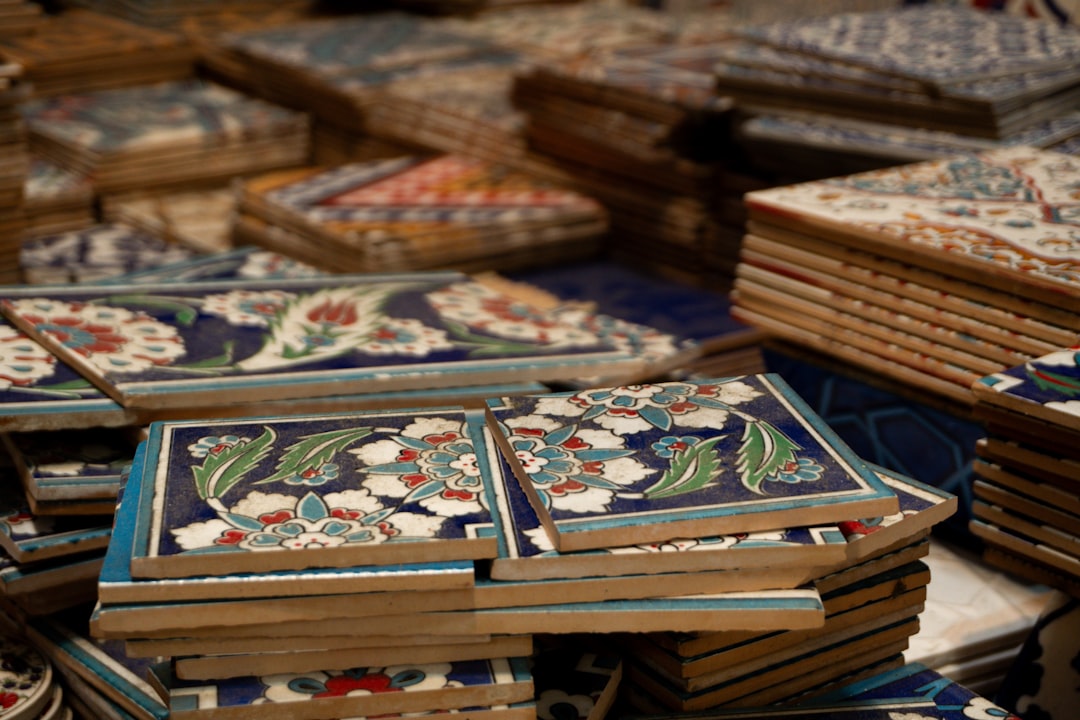
When selecting patterns, consider their scale. Large patterns can dominate a space, while smaller patterns can create a subtle backdrop. Mixing different scales can add visual interest and prevent your decor from feeling flat. For instance, pairing a large floral print with a smaller geometric design can create a harmonious balance that draws the eye without overwhelming the senses.
Color Coordination
Color plays a vital role in mixing patterns successfully. A cohesive color palette can tie different patterns together, creating a unified look. Start by selecting a base color that will be present in all patterns. This could be a neutral tone or a bold hue that reflects your personality. Once you have your base color, choose additional colors that complement it, ensuring that they appear in each pattern you select.
Using a color wheel can be helpful in finding complementary colors. Analogous colors, which are next to each other on the wheel, can create a serene and cohesive look. On the other hand, complementary colors, which are opposite each other, can add vibrancy and energy to your space. Experimenting with different color combinations can lead to exciting results, so don’t be afraid to play around until you find the perfect mix.
Texture and Material Considerations
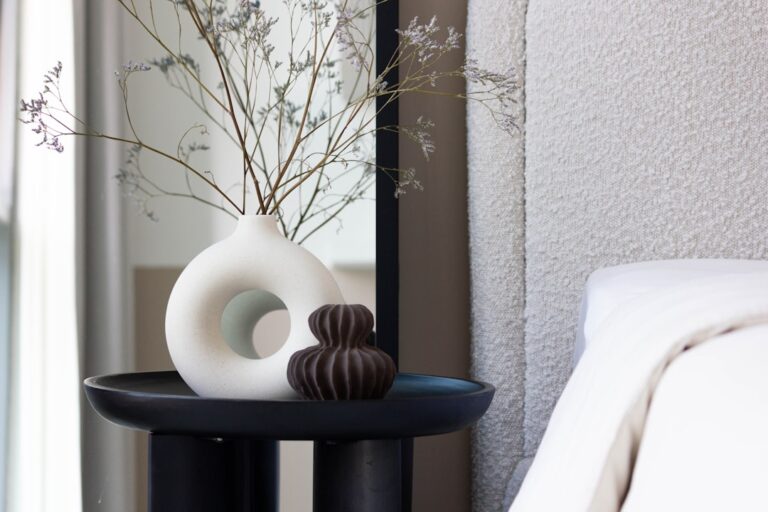
In addition to color and pattern, texture is another crucial element in home design. Mixing textures can enhance the visual appeal of your space and create a more inviting atmosphere. Consider incorporating a variety of materials, such as soft textiles, rough woods, and sleek metals. This variety can add depth and dimension to your decor.
When selecting materials, prioritize sustainability and ethical sourcing. Look for fabrics made from organic cotton, linen, or recycled materials. Certifications like Fair Trade can provide assurance that the products you choose are made under ethical conditions. By supporting brands that prioritize sustainability, you not only enhance your home but also contribute to a healthier planet.
Creating Focal Points
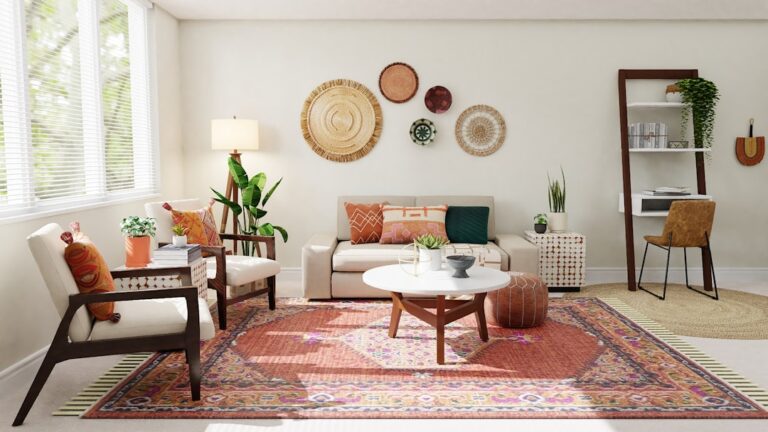
When mixing patterns, it’s essential to create focal points within your space. A focal point draws the eye and anchors the design, making it easier to mix various patterns without chaos. This could be a statement piece, such as a patterned rug or a bold piece of artwork, that features the colors and patterns you want to incorporate.
Surround your focal point with complementary patterns that support the overall design without competing for attention. For example, if your focal point is a vibrant patterned sofa, consider using more subdued patterns in the surrounding decor. This approach allows the focal point to shine while still maintaining a cohesive look throughout the room.
Final Thoughts on Mixing Patterns
Mixing patterns in home design is an art that requires practice and experimentation. By understanding the types of patterns, coordinating colors, considering textures, and creating focal points, you can achieve a beautifully designed space that reflects your personality and values. Remember to prioritize sustainability by choosing ethically sourced materials and supporting eco-conscious brands.
Your home should be a sanctuary that not only looks good but also feels good. By making thoughtful choices in your decor, you can create a space that is both stylish and sustainable, allowing you to enjoy your surroundings while contributing to a better world.